

WhatsApp

Agro Wood

About Agarwood

Agarwood

Agarwood is the resinous part of the Agarwood tree, which is used for the purposes of medicine and fragrance. The origin of Agar trees is traced to the evergreen forests of Southeast Asia. They are abundantly found in the North Eastern states of India, and in countries like Myanmar, Cambodia, Malaysia, Indonesia, Thailand, South Korea, Philippines, Laos, Japan, and so on. They are naturally growing trees in places that resemble the Western Ghats of Karnataka in climatic conditions and altitude.

The indiscriminate harvesting of Agarwood from its natural habitat has seriously hampered the natural availability of Agarwood in the forest. On the other hand, the price of Agarwood is quite high because of the short supply of Agarwood. This appealing market price has attracted farmers to Agarwood more and more in order to meet the high market demand. The mass plantation of Agarwood trees was taken up in a sustainable way by plantation companies across Asian countries to obtain the highly valuable Agarwood.

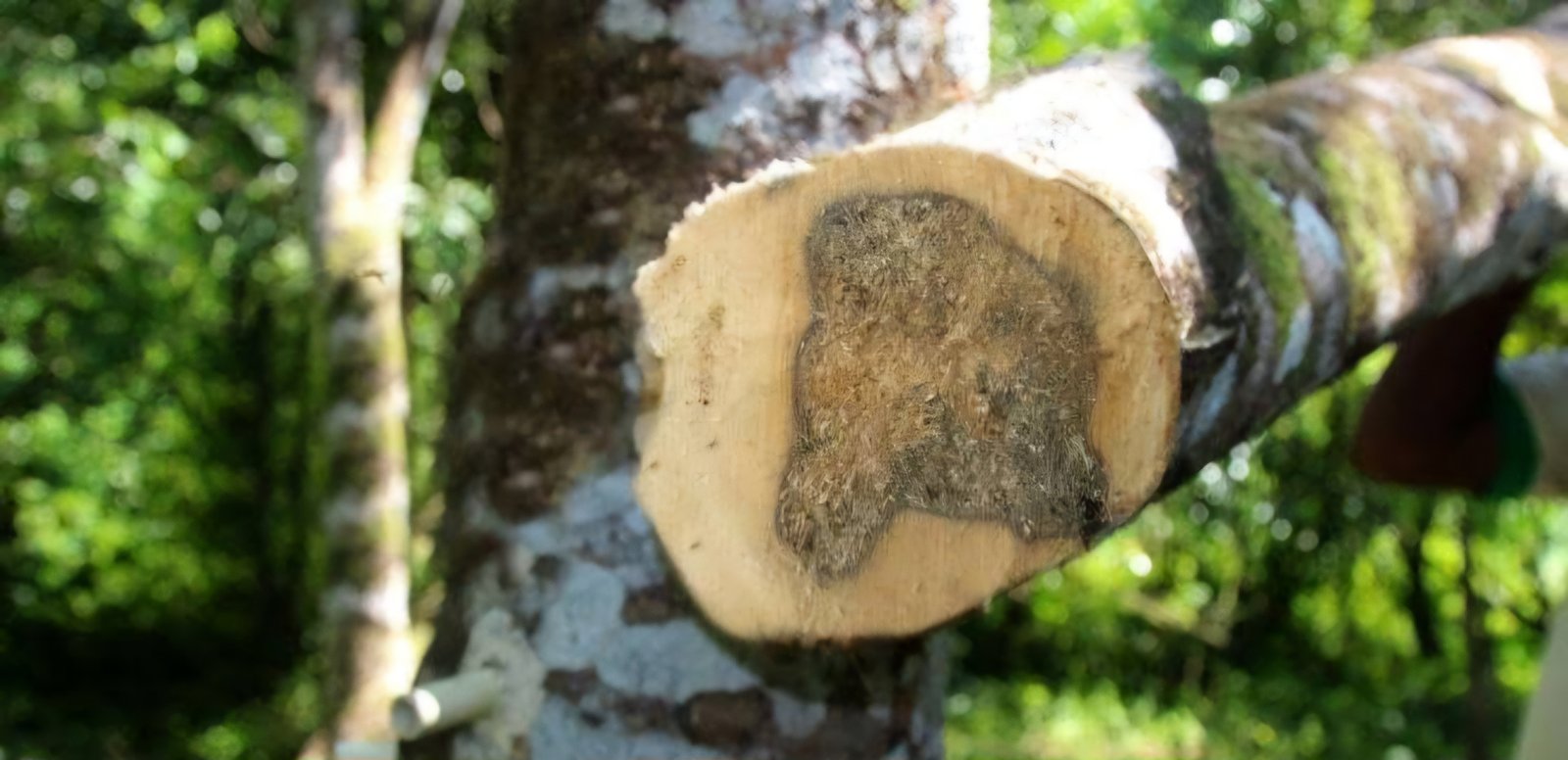
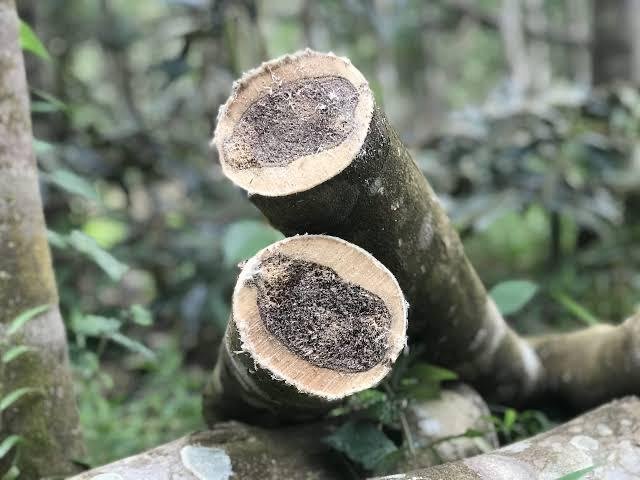
The formation of Agarwood is generally associated with the mechanical wounding and/or natural fungal infection of Agarwood trees. Resin is secreted by the trees as a defense mechanism, and will be deposited around the wounds for many years after the injury, where the accumulation of chemicals will form Agarwood. As only physiologically triggered Aquilaria tree can produce Agarwood, artificial techniques of producing Agarwood are currently going on in the Agarwood industry. The infected part of the tree, after its separation from the non-infected part of the tree, is processed into sweet-smelling oil and chips as incense for burning all over the world. Agar oil and wood are highly sought products around the world. Agar trees can offer lucrative global trade options to locals in the regions where these trees are found. Agar oil acts as a world-class perfumery fixative and is highly sought after and priced by European perfumers for making their best-grade scents. It acts as a stimulant, cardiotonic, carminative, aphrodisiac, alternative anodyne, antidiarrheal, antihypnotic, astringent, laxative, stomachic and tonic.

Agarwood is one of the most expensive natural raw materials in the world. The price of Agarwood varies depending on the quality. While low grades of Agarwood may sell at the rate of Rs 500 per kg, superior grades of chips are sold at over Rs 1,50,000 per kg. The price of oil varies from Rs 1,500 to Rs 12,000 per tola. About 80 countries around the globe use Agarwood products. The export of Agarwood from Singapore market itself crosses over a billion US dollars annually. It is estimated that the current global market for Agarwood is in the range of USD 6 to 8 billion, and is growing by the year.

OUR ACTIVITIES

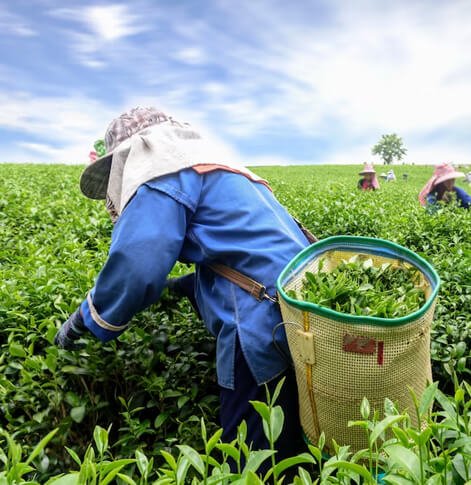
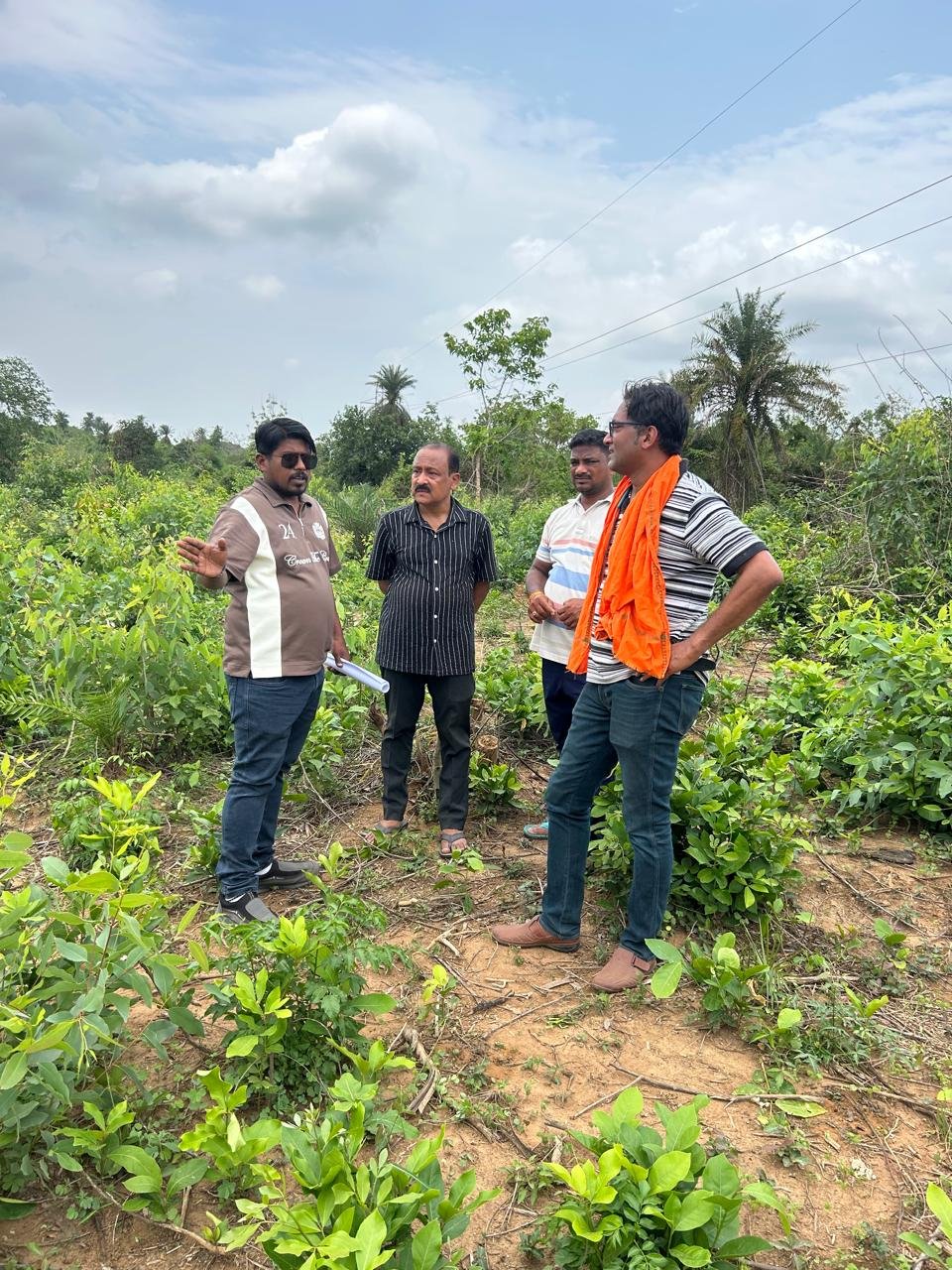
GreenAnchalAgro is closely associated with the wild tree hunters, farmers and grower assortations of the northeastern states. The company has established a strong wild natural Agarwood sourcing network in the Assam, Nagaland, Mizoram, Tripura and Meghalaya states of Northeast India, where we have set up primary processing units in collaboration with our associates. Our company is engaged in the purchase of Agarwood trees from the natural trees hunters where in trees are sourced from the Tea estates and home gardens. Such Agarwood logs from suppliers are segregated at our associated facility into chips and extraction grade depending on resin content in the material. All these products are purchased by Agrotech Resources for realistic price, providing helping hand for farmers and suppliers.

Agrotech Resources has installed traditional Oud oil extraction factories are set up in the upper Assam region and the adjoining states in association with our partners. In such processing units Chips are curved and wood quantize with less resin content are further processed into oil. New systems have been implemented in agar oil production units. Steam distillation or hydro distillation is followed depending on the product requirement of customers. Agar Boya or Agar wax is extracted from the non-infected white wood. We have set up 500 kg to 1000 kg capacity units at some of our primary processing factories. We focus on each and every step as right from harvesting to processing to get maximum oil content. All these collective efforts leading to the production of best quality wild wood Chips.

activities

UNIQUE PLANTATIONS

plantation

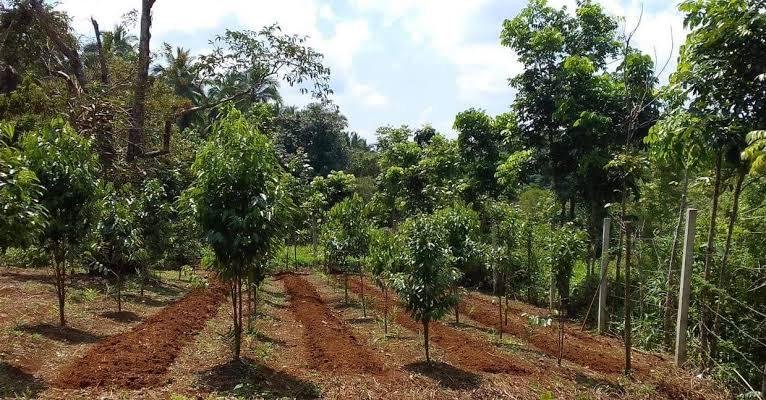
Green Anchal Agro Private Limited is fast emerging as one of the world’s largest groups of Agarwood plantations. We currently own and/or manage over 4,000 plantations. Our plantations are developed in the unique inter-cropping system model with the lowest production cost with no parallels elsewhere in the world. Over 0.5 million trees are currently on ground, and the number is increasing by over 0.1 to 0.5 million trees a year.

Agarwood was introduced to South India by Agrotech Resources, and today, about 99% of plantations spread across various South Odisha Districts are promoted and managed by our organization. Most of our plantations are located in cold, humid, heavy rainfall zones wherein trees undergo natural inoculation systems through fungal cultures. A large extent of our plantations is in an elevation ranging from 1,000 ft to 3,000 ft from MSL, climatic zones which have a long duration of freezing winter and warm summer, conditions that result in the best quality of resinous wood.

AGARWOOD IN INDIA

Commercial cultivation of Agarwood was introduced in the Western Ghats region of South India by Agrotech Resources in the year 2020. After intense research, the very first large-scale plantation was established at Green Anchal Agro in the year 2024. Following its success, the crop was planted by developing model plantations at various geographical locations of Odisha. When the first year of commercial planting began in 2024, about 2000 planters from 30 taluks of five districts planted Agarwood, entered into a buy-back agreement with the company, and became its shareholders.

Later on, planting continued in the following years to about 1,00,000 to 3,00,000 seedlings per year. Currently, 4000 farmers are growing Agarwood in 700 acres, numbering about 5,00,919 plants. Today, over 95% of plantations in India are located in the evergreen forests of Odisha, Assam, Andhra Pradesh, Chhattisgarh. From 2020 onwards, Agarwood was introduced in Odisha, Andhra Pradesh, Chhattisgarh and Maharashtra as well, and currently, small-scale plantation is going on in these states. Bold initiatives taken by our organization, along with long-term services, complete Agarwood solutions, and buy-back assurance of mature trees resulted in the large-scale development of plantations in India.
Agarwood

The quality of resinous Agarwood, produced naturally, stands much better than the artificially produced ones. Keeping this in mind, the company has developed most of its plantations in heavy rainfall regions which encourage insect boring, fungal infection and resin formation. We encourage our planters to follow traditional methods such as axe wounds, severe bark removal and nailing etc., which allow fungi to infect the tree. This operation is generally done just before the onset of winter, when a 30% deep cut is made on the tree trunk with the help of a sharp knife. The cuts made in this manner allow the fungal infection to begin and reach the inside of the tree trunk. This method is successful in a cool environment where the soil is rich in natural fungi. These methods require a long time for Agarwood formation and typically produce good to medium quality resinous wood, but in less quantity.

Owing to colonization and globalization, while many plant species of India have landed in foreign countries, innumerable varieties of plants from foreign countries have made India their home, becoming a part and parcel of our agricultural set-up. In a similar vein, Agarwood will be a longstanding crop in India.

AGRICULTURAL TECHNOLOGY

Agro Tech

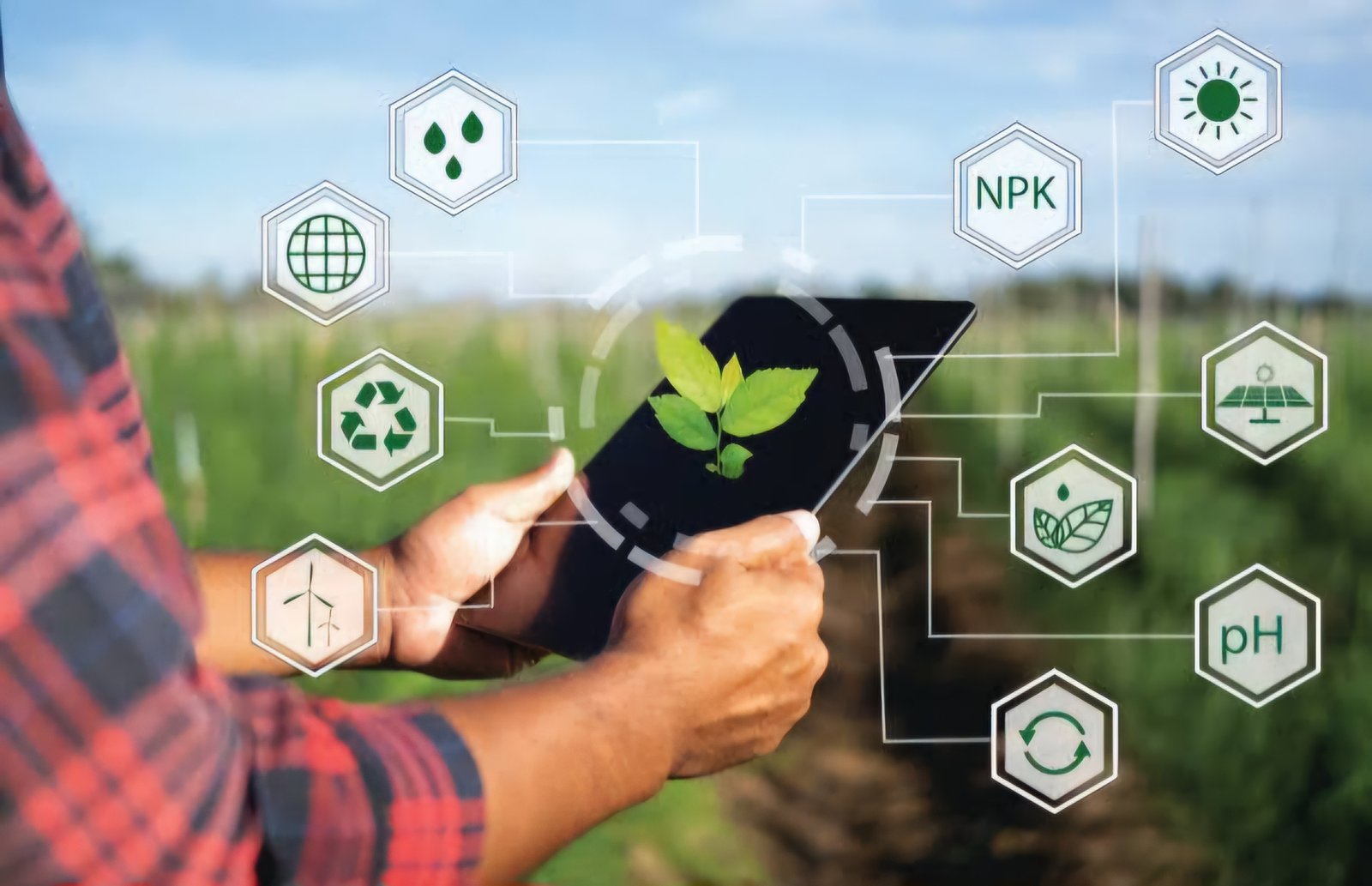
In our project, Agarwood is grown in both mono-crop and inter-crop systems along with common intercrop plants. Most of our plantations are developed in the unique model of inter-cropping system that has the lowest production cost, with no parallels elsewhere in the world. Three to four compatible crops are grown in the same place, with the right spacing, so that each species will have sufficient sunlight and minimum root competition.

Plantations are promoted in ideal locations based on climate, elevation, soil fertility, topography, rainfall, water source etc. Most of our plantations are in an elevation ranging between 2,000 ft and 3,500 ft from MSL, and in climatic zones which have long freezing winters and warm summers, conditions necessary to produce the best quality of resinous wood.